Hi everyone! My name is Stella Choi, and I’m a rising sophomore living in Buford, Georgia. I’m considering concentrating in molecular biology or sociology and certificates in Global Health and Health Policy and American Studies. At Princeton, I’m involved with Princeton Chapel Choir, Princeton Christian Fellowship, and now I’m thrilled to be a part of Service Focus! In my free time, I love playing tennis with my dad and sisters, reading, playing piano, watching kdramas/variety shows, and running.
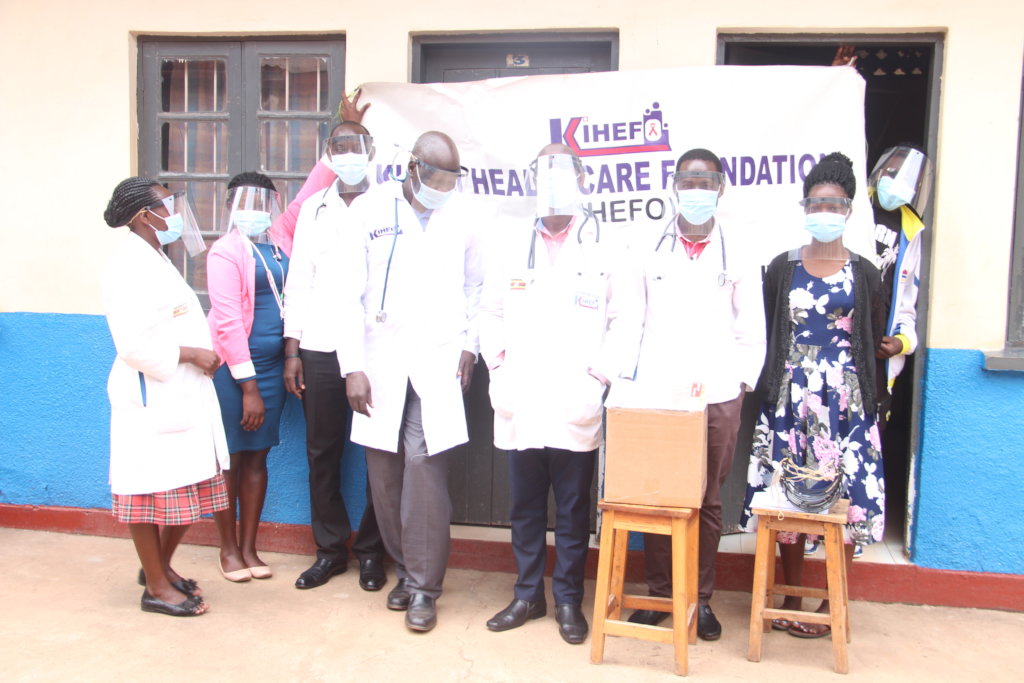
This summer, I interned (remotely) for Child Family Health International (CFHI) in Uganda through the Princeton IIP and Kigezi Healthcare Foundation (KIHEFO).
I’d like to take this opportunity to ask, if possible, for readers to please consider donating to help poor populations suffering from a 2nd Covid-19 lockdown http://goto.gg/52767. Due to the Delta variant and lack of resources, they are now experiencing a third wave . This fundraiser is led by KIHEFO, a non governmental organization working in Uganda’s not-for-profit health sector. The organization works to address poverty, disease, and ignorance through a bottom-up approach recognizing that, to create a developed and healthy community, individuals and village groups must be given resources to be self-sustaining, healthy, and productive community members. For more information, visit http://www.kihefo.org
Thank you for reading, now back to the post:
During this 8 week internship, I learned to approach deeply intertwined issues of poverty, disease, and ignorance in Uganda in the context of its socioeconomic and traditional influences. Dr. Geoffrey Anguyo, Founder and Executive Director of KIHEFO, shared insights on colonial and religious influences on health in Uganda, alternative/traditional medicine, maternal health, mental health, HIV/AIDS, water sanitation, hygiene, child malnutrition, and nutrition education.
With knowledge from these lectures in hand, our team of 4 interns (shout out to Shirley Yang who’s also in Service Focus ^.*) wrote up a project proposal outlining community needs and how to address them with a novel approach to cooperatives in Arua, Uganda titled “Harnessing the Full Potential of Cooperatives: Bridging the Wealth Gap in Uganda.” As the name suggest, the novel approach is the idea of bringing high and low income populations together. The vision is to lift members of the community out of poverty by loaning money for members to start an enterprise (ie. The Rabbit Project). These enterprises are a path for individuals to earn their own sustainable income to use towards daily living and creating savings in the cooperative for community development and community health (ie. water sanitation maintenance and community-based health insurance).