Hi everyone! I’m Shirley (she/her), a native New Yorker, bullet journal and stationary enthusiast, and prospective molecular biology major with certificates in Asian American Studies and Global Health Policy (hopefully). On campus, I’m involved with Princeton Splash, Matriculate, SIFP, and Camp Kesem. In my free time or when I’m procrastinating, I love rewatching my favorite k-dramas for the hundredth time, painting, and discovering new underrated k-pop songs.
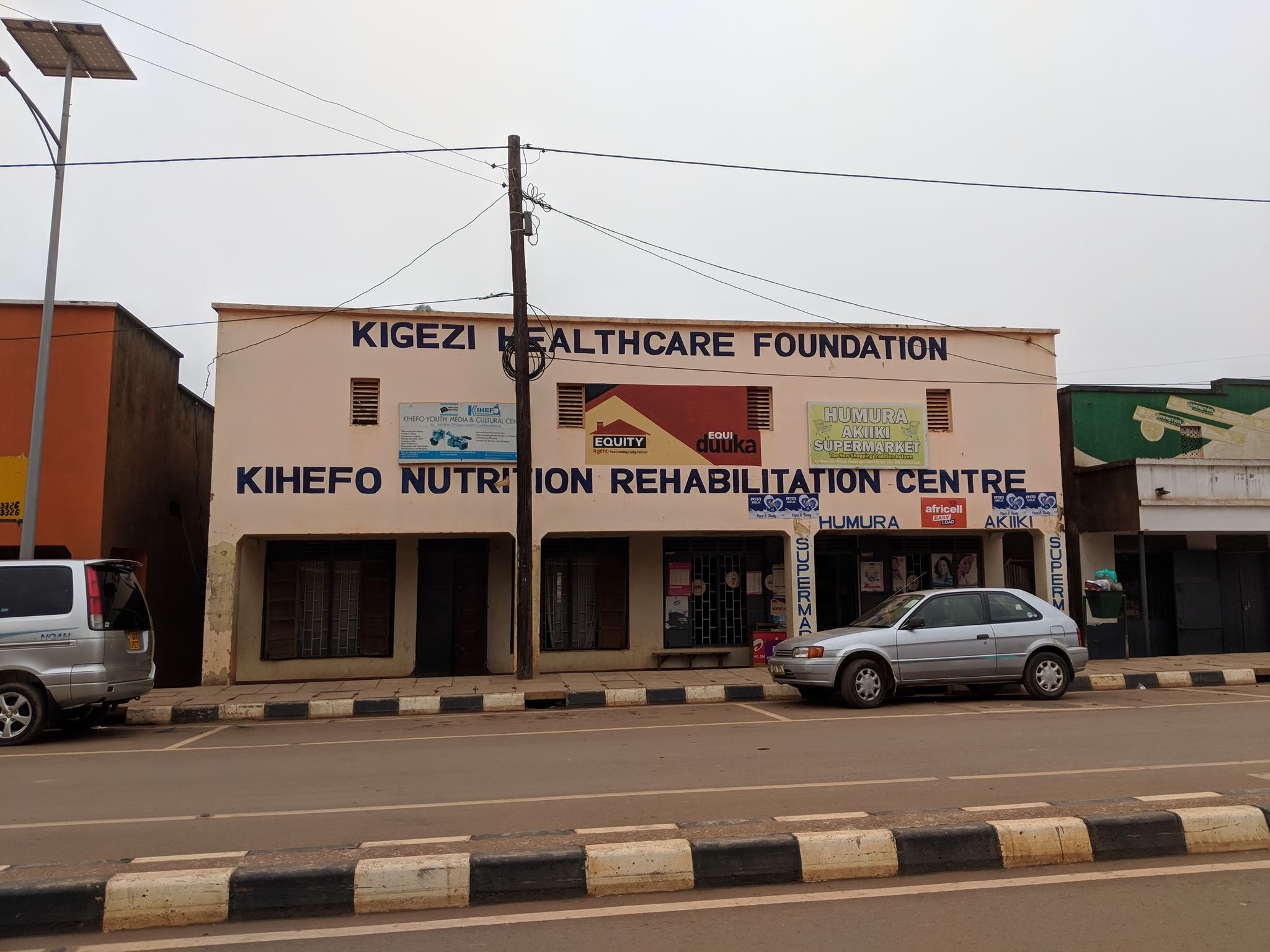
This summer, I interned remotely with Kigezi Health Care Foundation (KIHEFO), a non-governmental organization working within the private not-for-profit health sector of Uganda. KIHEFO seeks to break the self-perpetuating cycle of disease, poverty, and ignorance by providing health services and education to low-income rural communities in Uganda. During my eight-week internship with KIHEFO, I worked closely with my fellow Princeton interns (including Stella who is also part of Service Focus :’) ) and the KIHEFO executive director Dr. Geoffrey Anguyo (known as “Dr.G” to his students and fellow community members). We met over Zoom with Dr.G three times a week to discuss health topics pertinent in Uganda, ranging from maternal health and HIV/AIDS to colonialism and traditional healers, his experiences growing up in Northern Uganda under Idi Amin and provide updates on our cumulative group projects. My co-interns and I also met an additional time each week to work on our two group projects.

Our first paper, entitled “Health System Comparative Analysis: The United States and Uganda”. was (as the name suggests) a comparative analysis of the health systems in the United States and Uganda. In this paper, we synthesized insights gathered from our individual literature review, conversations with Dr.G, and reflections on the virtual internship experience. First, we provided an overview of the health care infrastructure in each country. Each subsequent section offered a comparative analysis of the overlap of religion and medicine, child malnutrition, women’s health, response to HIV/AIDS, alternative medicine, mental health, and women’s health. In the end, we realized that although wealth can help countries plug some holes in their health system, wealth does not make a country immune to poverty, illnesses, and ignorance; realities typically attributed to low-income developing countries, like Uganda.
This revelation is even more clear in the context of the COVID-19 pandemic Uganda was initially able to keep COVID-19 cases under control as the government was fully aware of their health system’s limited capacity to combat COVID-19 since there are only 55 ICU beds for a population of 44 million. However, Uganda is currently undergoing its second wave of COVID cases and the country barely has enough vaccines to vaccinate 1% of its population (this was the case at the start of my internship and is still the reality that Uganda faces). On the other end of the spectrum, almost half of the American population is vaccinated in spite of our government’s initial lackluster response and enforcement of prevention measures.
Our second deliverable entitled “Harnessing the Full Potential of Cooperatives: Bridging the Wealth Gap in Uganda” addressed how to provide a regular source of income to Ugandan households living below the national poverty threshold. More specifically, we formulated a comprehensive project proposal that detailed a novel approach to cooperatives, one that unites higher-income and low-income households to provide paths of income-generating enterprises for the poor. Enterprises include rabbit or cow rearing, farming of various crops native to Uganda (cassava, peanut, and tomato), and motorcycle taxi services. By saving money from income-generating enterprises and investments from high-income individuals, the cooperative can allocate funds towards community development and fulfilling community needs (ranging from affording community based health insurance, building health facilities and schools to permanent houses and sustainable water sanitation facilities). The Vurra Development Cooperative, based in the district of Arua, will serve as a pilot for this novel approach to cooperatives. Ultimately, we hope that this project uplifts not only the individuals involved but also enhances quality of life in rural communities all across Uganda.